

Neural Therapy
What is Neural Therapy? What Kind of Treatment Is It?
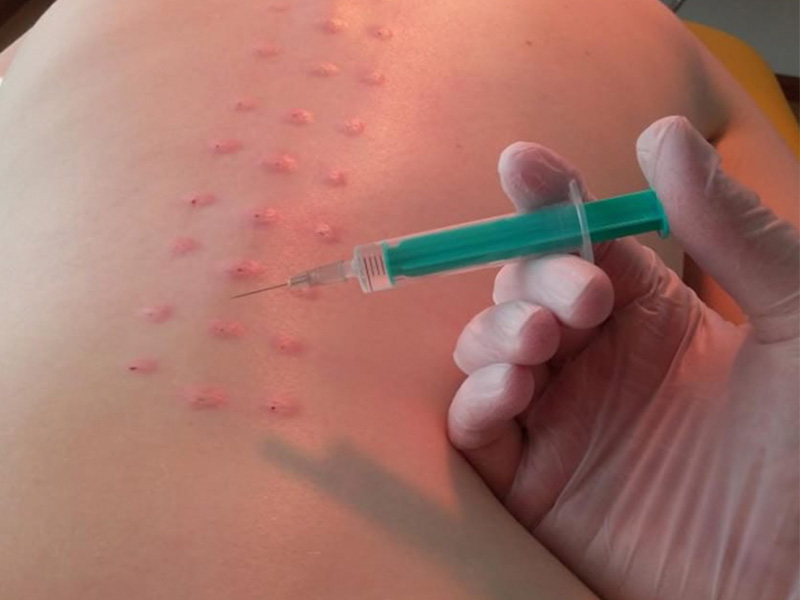
Neural Therapy The human body is like a closed-circuit computer system. The perfect balance in the body (health) depends on a smoothly functioning communication network between systems. This communication network is provided by the autonomic nervous system. The onset of diseases begins with disruptions in this perfect communication network. The only way to restore this communication permanently is Neural Therapy. Neural therapy is the application of a physiological saline solution containing diluted local anesthetic (0.5-1%) by injection into specific points in the body.
Additionally, the local anesthetic used is the only substance that can erase disease memory. For example, persistent pain in the lower back or unexplained dizziness may be related to a disorder in the jaw joint. A disorder in the jaw joint can manifest itself in this way through neural networks.
Or persistent and unexplained shoulder pain may be related to a surgical scar on the body or a problem in the liver. Surgical scars disrupt the communication network due to the incision made and can cause unexplained symptoms. Areas that produce symptoms in a distant part of the body without showing symptoms themselves are called interfering fields. In the examples above, the jaw joint, liver steatosis, or surgical scar are interfering fields. The disorder in the neural operating system is corrected by injections into specific points with Neural Therapy, and the system is restored to function smoothly.
In Which Diseases Is It Applied?
As it is a regulation (restoring balance) therapy, it is used in every conceivable disease. However, for successful treatment, it is essential to determine well which mechanism of the body the diseases are related to. Some of the most common diseases we encounter and treat in our clinic include:
Rheumatic Diseases
Lower back, neck, and back pain
Shoulder, elbow, wrist pain
Hip, knee, foot pain
Headaches, migraines, dizziness
Leg pain
Circulatory Disorders
Dysmenorrhea (painful menstruation)
Allergies
Frequent flu infections, upper respiratory tract diseases
Fibromyalgia
Are There Any Side Effects: Since no medication is used in treatment, there are no significant side effects. The local anesthetic agents used (lidocaine or procaine) are diluted to 0.5-1%, so they do not cause any side effects. It should not be performed on patients allergic to local anesthetics.
Is the Method Painful: Generally, since it is done with thin needles into the skin and soft tissues such as muscles and tendons, there is no discomforting pain.
How is it Applied: The main application methods are listed below. It is not necessary to apply all of these methods. The physician decides which ones to apply based on information and findings.
Local Treatment: Application is made by creating bubbles with an insulin needle directly in the affected area. The aim here is not to obtain local anesthesia, but to correct faulty information transmitted from the affected area to the center through nerves.
Segmental Treatment: It is the regulation of disorders in muscles, tendons, vessels, bones, facet joints, and organs controlled from the same spinal segment by injections into the elements within the segment.
Extended Segment Treatment: It involves the treatment with injections to more central control centers such as ganglia affecting the segments.
Interfering Field Treatment: Surgical and scar marks, vaccination marks, dental fillings, and intestinal flora disorders disrupt nerve transmissions and disrupt the balance of the autonomic nervous system, leading to diseases. The goal of treatment is to eliminate interfering fields by injecting solutions into scar marks. Additionally, if there are problems in the teeth and intestines, their treatment is also necessary.
Hormonal Regulation Treatment: In patients with symptoms of hormonal imbalance, injections are made to hormonal axis organs to restore balance.
How Often is the Application and How Many Sessions Are Required: A second session is applied a minimum of 3 days after a session. Generally, an application is made every 3-7 days. The number of sessions to be applied varies according to the patient and the disease.
If the imbalance in the system is correctly identified, usually several sessions are sufficient. However, in cases where more than one system needs to be regulated and in chronic cases, the number of sessions may increase. Additionally, if there are interfering fields such as dental intestines, their treatment is also required.