

Acne Treatment
Acne Treatment
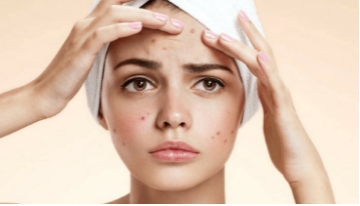
Acne, or commonly known as pimples, is a skin condition that manifests itself in almost everyone, especially during adolescence. It occurs when the hair follicles (follicle) become blocked with a thicker layer of oil on the surface of the skin, preventing the secretion of oil (sebum) from the oil glands to the skin’s surface. It is observed in almost everyone at certain periods.
Acne Treatment
The body naturally heals itself over time without the need for any external intervention. However, in cases where it cannot do so, the problem can become chronic and adversely affect a person’s quality of life. In such cases, acne treatment may be inevitable.
HOW DOES ACNE FORM?
Sebaceous glands derive their name from the oily substance they produce, sebum. Under normal circumstances, sebum progresses along the hair follicle and exits onto the skin’s surface. When acne develops, sebum remains trapped within the follicle and cannot exit. Acne lesions are more likely to occur in areas where sebaceous glands are more concentrated, such as the face, neck, back, upper arms, and shoulders. Lesions resembling blackheads are called comedones, while red, swollen, and pus-filled lesions are referred to as papules, nodules, and pustules.
CAUSES OF ACNE FORMATION
Genetic Factors
Acne is a phenomenon that includes genetic characteristics. In fact, everyone may experience acne to some extent. However, some individuals have a genetic predisposition to certain types of acne. If a parent has experienced acne during adolescence or at any other time in their life, the likelihood of their children developing acne is higher.
Hormones (Androgens)
Acne usually occurs when the body starts producing more androgens. Acne increases when androgen production peaks between the ages of 11 and 14. Fluctuating hormone levels due to the menstrual cycle in young women also contribute to acne flare-ups. These changes affect the sensitivity of sebaceous glands to androgens.
Bacteria
A closed follicle provides a suitable environment for bacteria to multiply, particularly the P. Acnes bacterium. It feeds on sebum and is present on everyone’s skin, regardless of whether they have acne. When the hair follicle is blocked and filled with sebum, the P. Acnes bacterium multiplies much more rapidly. Its byproducts cause inflammation within the follicle and on the skin surface.
Increased Sebum Production
Sebaceous glands begin to produce more sebum after being stimulated by androgens. Oily sebum accumulates within the follicle and moves upward. As sebum production increases, the likelihood of follicle blockage and comedone formation also increases.
Changes Within the Follicle
As androgen production increases and sebaceous glands enlarge, the structure of the hair follicle extending beneath the skin’s surface also changes. Normally, dead cells gradually shed and move away from the skin surface. During adolescence, cells shed more frequently and are more prone to clumping together. They can block the follicle when they come into contact with sebum. In this case, sebum and dead cells form a plug within the follicle.
METHODS USED IN ACNE TREATMENT
Topical Treatment (Cream)
Medication
Mesolifting (Skin Mesotherapy)
Chemical / Herbal Peeling
Medical Skin Care Treatment
CO2 Fractional Laser
Topical Treatment (Cream)
Topical treatment involves applying medications directly to the skin using various methods. Acne (physiological acne) and pimples typically respond well to topical treatment during adolescence.
Medication
Oral medication may be used when topical treatment is ineffective. Oral medication is recommended for patients with moderate to severe acne. These medications often yield better results when used in conjunction with topical treatment.
Mesolifting (Skin Mesotherapy)
Topical creams mainly moisturize and nourish the skin’s upper layers. However, the cells requiring nutrition and moisture for the skin’s vitality and support are located in the lower layers. Mesolifting achieves more effective acne treatment by bypassing the skin’s barrier function and reaching its lower layers through injection.
Herbal Peeling
Superficial peeling for acne is done with salicylic acids (BHAs). This substance affects the epidermis (the skin’s upper layer) more superficially. It is preferred for acne, blackhead, and whitehead treatment, as well as for secondary treatment of spots. Herbal peeling procedures are performed every 2-3 weeks for 6-10 sessions. They are also used as a complementary treatment following mesolifting (skin mesotherapy).
Medical Skin Care Treatment
Professional products containing vitamins and antioxidants are used in skin care to balance moisture levels, protect against acne and external factors. They are also applied as a complementary treatment following mesolifting (skin mesotherapy).
CO2 Fractional Laser
It is an effective treatment for correcting the appearance of acne scars, pits, scars, and skin cracks.
PRECAUTIONS TO PREVENT ACNE FORMATION
It is known that fatigue and stress increase stress hormones and indirectly increase oil production. Try to stay away from fatigue and stress as much as possible.
During sleep, the skin is nourished and renewed. Therefore, make sure to get enough sleep.
Exercise is very beneficial for overall health. It accelerates blood circulation and ensures that vital organs, including the skin, receive more oxygen. After exercising, make sure to wash away the oil and sweat that create an environment for bacteria to accumulate on your face. Otherwise, acne may worsen.
Water constitutes a significant portion of the body and skin cells. It facilitates the elimination of toxins from the body and the transport of nutrients in the body. Drinking water does not eliminate acne but helps maintain skin health.
Avoid saunas and poorly ventilated kitchens.
Do not squeeze acne or pick at inflamed areas of the skin.
Wash your hands frequently. Try to keep your hands away from your face while reading, watching TV, or studying.
Wash your face twice a day with a soap recommended by your dermatologist. Change your towel daily. (A moist towel is a very suitable environment for bacteria to multiply).
Wash your hair at least twice a week. Try to keep your hair away from your face while sleeping. During the day, tie your hair so that it does not touch your face.
Avoid excessive sun exposure.
Regularly follow up with your dermatologist appointments. Keep track of what has been tried and how it has worked. Do not abandon treatment halfway through.
LASER TREATMENT FOR ROSACEA
Effective treatment with laser is provided for rosacea, which is actually a capillary vessel disorder. Visible improvement can be achieved in a single session.